“But I know the difference
Between myself and my reflection
I just can’t help but to wonder
Which of us do you love?”
– Evanescence, “Breathe No More”
I often get told that I am easy to talk with. Strangers tell me all about their dark family secrets. They tell me I am a very nice person and I make them comfortable. But the truth is I don’t really know if it’s “me” they like, or a version of me created through trauma. Pete Walker talks about the “Four Fs”. When we cannot fight or flee, sometimes we freeze and sometimes we fawn, placating people by becoming who they want us to be to avoid further abuse. I wear a smile plastered to my face and I serenade people, ironically making them feel at ease when I am anything but. I am like a duck that seems calm but is furiously paddling away beneath the surface.
I could become a therapist myself with these skills I have developed, but while I do genuinely like making people happy, I think it would wear me out. I think part of the reason I get so attached to therapists is because I feel safe to take off my mask. I am a different person with them. I am far from calm and happy. I am angry all the time, and will show that. I am needy. I am a bottomless pit of misery. But it seems now that my real self is too much for therapists even.
People with the “fawn” defense often attract narcissists. This pattern often originates in the family where a parent is narcissistic or does not allow their child to be their own person. I will finish this post with an excerpt from Pete Walker’s site about the fawn type:
“Fawn types seek safety by merging with the wishes, needs and demands of others. They act as if they unconsciously believe that the price of admission to any relationship is the forfeiture of all their needs, rights, preferences and boundaries. They often begin life like the precocious children described in Alice Miler’s The Drama Of The Gifted Child, who learn that a modicum of safety and attachment can be gained by becoming the helpful and compliant servants of their parents. They are usually the children of at least one narcissistic parent who uses contempt to press them into service, scaring and shaming them out of developing a healthy sense of self: an egoic locus of self-protection, self-care and self-compassion.”
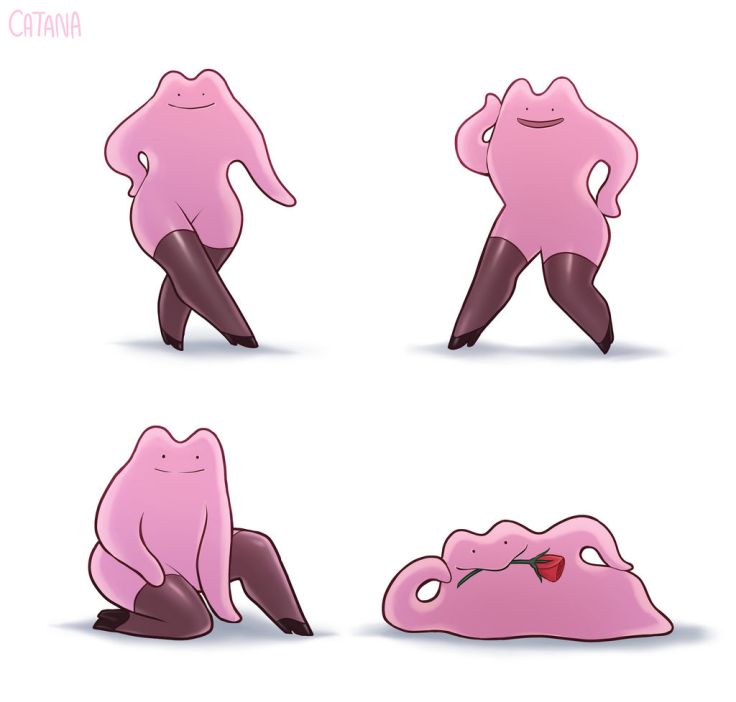
Source: AnaPunda, Deviant Art
 hsphaven
Leave a comment